



If you would like to learn more about Springpack and our services, use the form below to submit an enquiry, or get in touch with one of our packaging experts by…
How to Choose the Best Pallet Wrap for Your Warehouse Needs
How to Choose the Best Pallet Wrap for Your Warehouse Needs
Pallet wrap might seem like just another item on your warehouse supply list, but choosing the right type can make a significant difference in operational efficiency and product protection.
Imagine a bustling warehouse where each pallet is securely wrapped, protecting goods from dust, moisture, and the rigours of transport. Selecting the optimal pallet wrap not only ensures the safety of your products but also streamlines your packaging operations, saving both time and money. With various options available, understanding how to choose the best pallet wrap for your warehouse needs is crucial to maintaining a smooth-running operation.
Ever wondered why one type of pallet wrap might be better suited for your needs than another?
Key Takeaways
- Understand the different types of pallet wrap and their specific uses
- Compare machine wrap and hand wrap for efficiency and flexibility
- Learn how stretch film protects and stabilises loads
- Consider factors like load stability, cost, and environmental impact
- Explore the benefits of machine pallet wrap and learn efficient wrapping techniques
Understanding Different Types of Pallet Wrap
In the fast-paced environment of a warehouse, understanding the different types of pallet wrap available can be the key to enhancing your packaging efficiency. Each type of pallet wrap offers unique benefits depending on the specific needs of your operation.
Types of Pallet Wrap Film
Pallet wrap films come in various forms, each offering different levels of stretchability and strength. The primary types include cast and blown films, each with its distinct characteristics. Cast films, known for their clarity and quiet unwind, are ideal for operations where noise reduction is a priority. They’re often used as a clear hand or blue tint pallet wrap, providing a clear view of the products while maintaining a professional appearance.
Blown films, on the other hand, offer greater strength and puncture resistance, making them suitable for heavier loads. These films can handle rough handling and are less likely to tear, providing peace of mind during transport. Mini stretch film is another option, perfect for smaller items or securing loose parts.
An economical choice for lightweight loads is pre-stretched films. These films require less effort to apply manually, reducing the physical strain on workers while maintaining sufficient tension to secure the load.
Differences Between Machine Pallet Wrap and Hand Wrap
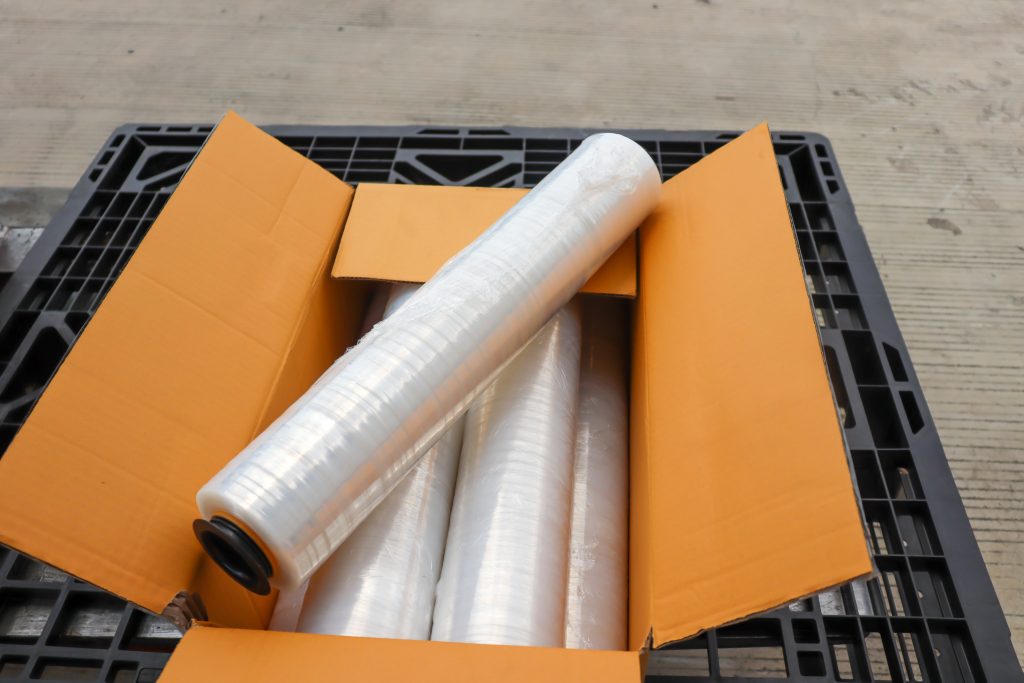
Choosing between machine pallet wrap and hand pallet wrap depends largely on the scale of your operations and the nature of the loads being wrapped. Machine wrap is designed for high-volume operations, where consistency and speed are essential. These machines apply the wrap with uniform tension, ensuring each pallet is securely contained, regardless of the load’s size or shape.
In contrast, hand wrap offers greater flexibility, especially for smaller or irregular loads. While it requires more manual labour, it allows for more control over the wrap application, which can be beneficial for loads that vary in size or shape. However, the quality of a hand wrap can vary depending on the operator’s skill and consistency.
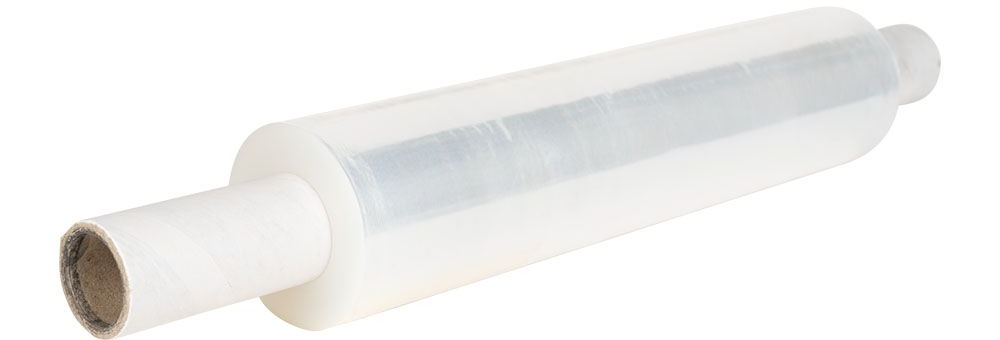
Core pallet wrap is a term often associated with hand wrap, referring to the tube around which the film is wound, making it easier to handle manually. In smaller operations, hand wrap can be more cost-effective, although it typically involves more labour and time.
Benefits of Using Stretch Film for Pallets
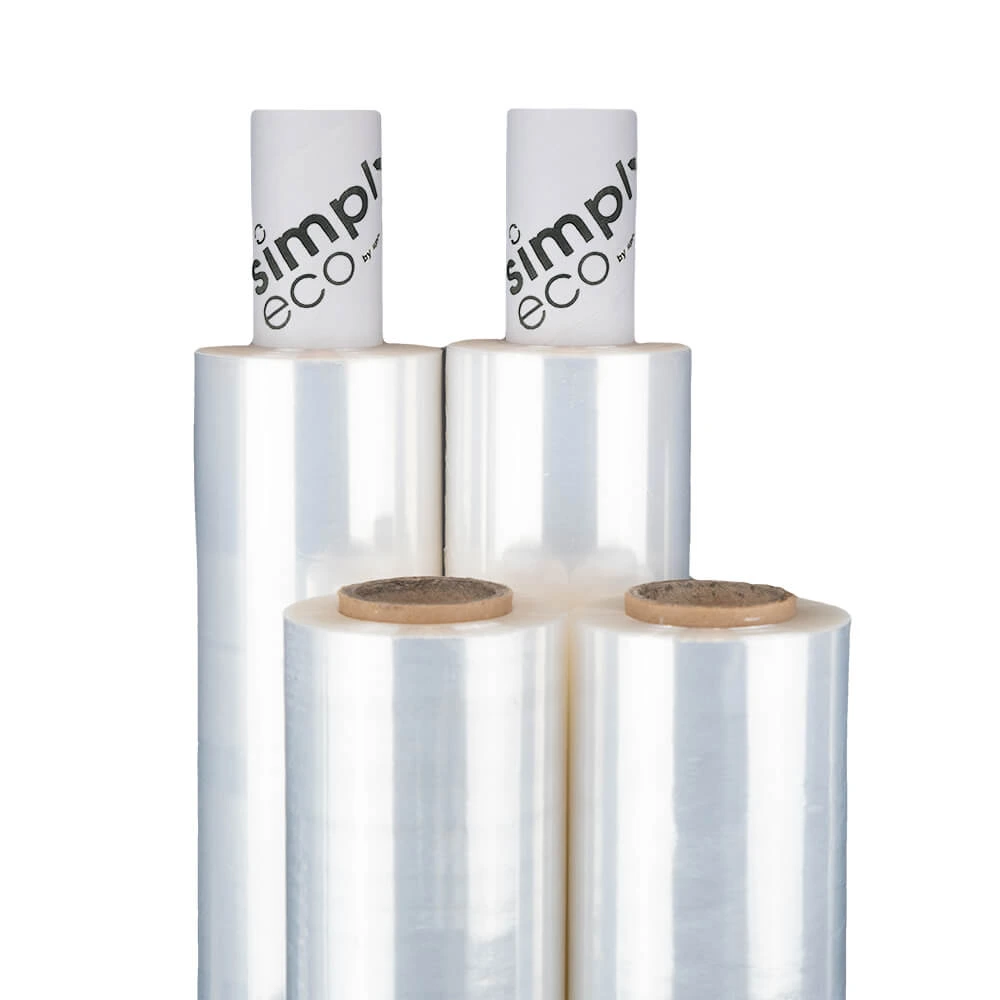
Stretch film is a versatile and cost-effective solution for protecting your goods during storage and transport. Properly applied stretch film acts as a shield against dust, moisture, and damage, preserving the integrity of the items wrapped within. This is particularly important in environments where goods are exposed to various elements that could cause deterioration.
The high performance of stretch film lies in its ability to stabilise loads during transit. By securing products tightly together, it minimises movement and prevents shifting that could lead to damage. Stretch film is also adaptable to different environmental conditions, making it a reliable choice for various climates and storage situations.
Using stretch film, especially hand stretch wrap, offers a cost-effective means of securing goods. It reduces the need for additional packaging materials while providing a high level of security, ensuring that palletised goods reach their destination in optimal condition.
Factors to Consider When Choosing Pallet Wrap
Selecting the right pallet wrap involves considering several factors that impact your warehouse’s efficiency and the safety of your products. By evaluating these aspects, you can make informed decisions that benefit your operation.
Load Stability Requirements
The stability of your load is a primary consideration when choosing pallet wrap. Heavier loads require thicker films to prevent shifting or toppling during transport. The load weight distribution also plays a crucial role in choosing the appropriate film strength and elasticity.
If your load is unevenly distributed, a more robust film or a specific wrapping technique may be necessary to stabilise it effectively. Properly stabilised loads not only reduce the risk of accidents and damage but also improve the efficiency of your storage and transport processes.
Cost-Effectiveness
Balancing cost with performance is essential when selecting pallet wrap. While it might be tempting to opt for the cheapest option, considering the long-term benefits can lead to greater savings. Bulk purchases of pallet wrap can reduce unit costs, providing an economical solution for larger operations.
Efficient wrapping processes also play a role in cost-effectiveness. Minimising material waste by using the right amount of wrap for each load not only saves money but also contributes to environmental sustainability. Evaluating both the purchase and application costs can lead to more informed decisions that benefit your bottom line.
Environmental Impact
In today’s environmentally conscious world, the impact of your pallet wrap choice on the environment is an important consideration. Biodegradable films offer a way to reduce your environmental footprint by breaking down naturally over time. These films can align with corporate sustainability goals and improve your company’s green credentials.
Recyclable wraps contribute to sustainable warehousing practices by allowing materials to be reused, reducing waste. Considering the environmental impact of your pallet wrap choices can influence your overall waste management strategies, leading to a more sustainable operation.
Benefits of Using Machine Pallet Wrap
Incorporating machine pallet wrap into your operation can bring several advantages, particularly in high-volume settings where efficiency and consistency are key.
Increased Efficiency
Machine pallet wrap dramatically increases throughput in large operations. By automating the wrapping process, these machines reduce the time spent on each load, allowing personnel to focus on other tasks. This automation ensures that every pallet is wrapped with consistent tension and coverage, eliminating the variability that comes with manual wrapping.
The use of wrapping machines leads to increased efficiency, enabling your warehouse to handle more loads in less time. This boost in productivity can have a significant impact on your operation’s bottom line, reducing labour costs and improving overall workflow.

Reduced Labour Costs
By reducing the need for manual labour in wrapping tasks, machines allow for the reallocation of labour to more value-added activities. This can lead to significant savings in labour costs, which can offset the initial investment in equipment.
Pallet wrap dispensers minimise operator intervention, ensuring that the wrapping process is smooth and efficient. This reduction in manual labour not only saves money but also reduces the physical strain on workers, contributing to a safer and more comfortable working environment.

Tips for Efficient Pallet Wrapping
Efficiency in pallet wrapping can save time, reduce costs, and ensure the safety of your products. By following these tips, you can optimise your wrapping processes and improve overall operational effectiveness.
Proper Film Tensioning Techniques
Proper tensioning is crucial to prevent film tearing and load instability. Adjusting tension based on the film type and load requirements ensures that each pallet is securely wrapped. Regularly checking machine settings for optimal performance can also prevent issues and extend the life of your pallet wrap.
By maintaining the correct tension, you can avoid common problems like film breakage and load shifting, ensuring that your goods are transported safely and securely.
Correct Film Application Methods
Starting the wrapping process from the base of the pallet is essential for stabilising the load. Overlapping film layers ensure secure containment, preventing movement during transport. Varying wrap patterns for different load shapes and sizes can also contribute to more efficient wrapping.
Using the correct application methods minimises material usage and waste, making your wrapping process more cost-effective and environmentally friendly.
Handling and Storage Recommendations
Proper handling and storage of pallet wrapping film are important for maintaining its quality and effectiveness. Store films in a cool, dry place to prevent degradation, and handle them carefully to avoid punctures and tears. Rotating stock ensures first-in, first-out usage, preventing older films from becoming brittle and less effective.
By following these recommendations, you can extend the shelf life of your pallet wrap and maintain its performance over time.
Using the correct application methods minimises material usage and waste, making your wrapping process more cost-effective and environmentally friendly.
How to Properly Use Pallet Stretch Wrap
Using pallet stretch wrap correctly ensures the stability and protection of your loads. By following these guidelines, you can optimise your wrapping process and safeguard your products.
Step-by-Step Guide to Wrapping Pallets
Begin wrapping at the base of the pallet to provide foundational stability. Spiral wrap upwards, slightly overlapping each layer to secure the load effectively. If necessary, secure the top with additional wraps to prevent shifting during transit.
Finish by tucking the end securely to avoid unraveling, ensuring that your load remains stable throughout its journey. These steps help maintain the integrity of your wrap film and protect your goods from damage.
Ensuring Secure Load Containment
Checking wrap tension is crucial to prevent load shifting. Even coverage across the entire pallet ensures that all parts of the load are adequately protected. Using edge protectors for sharp corners or fragile items can prevent damage and enhance security.
Regularly inspecting wrapped pallets for signs of wear can prevent potential issues and ensure that your goods remain safe during transport.
Finish by tucking the end securely to avoid unraveling, ensuring that your load remains stable throughout its journey. These steps help maintain the integrity of your wrap film and protect your goods from damage.
Safety Precautions
Checking wrap tension is crucial to prevent load shifting. Even coverage across the entire pallet ensures that all parts of the load are adequately protected. Using edge protectors for sharp corners or fragile items can prevent damage and enhance security.
Regularly inspecting wrapped pallets for signs of wear can prevent potential issues and ensure that your goods remain safe during transport.
Finish by tucking the end securely to avoid unraveling, ensuring that your load remains stable throughout its journey. These steps help maintain the integrity of your wrap film and protect your goods from damage.
Common Mistakes to Avoid When Wrapping Pallets
Avoiding common mistakes in pallet wrapping can improve the efficiency and effectiveness of your operation. By recognising these pitfalls, you can ensure that your loads are securely wrapped and protected.
Overstretching the Film
Overstretching weakens the film and reduces load protection. Monitoring tension settings on machines regularly can prevent this issue, ensuring that the film maintains its integrity and effectiveness. Avoid forcefully pulling hand wrap to prevent breakage, which can compromise the security of your load.
Ignoring Load Weight Distribution
Uneven weight distribution causes load shifting and instability. Assessing load weight before selecting the wrap type and method is crucial for optimising wrap performance and safety. Balancing load weight ensures even pressure on the film, reducing the risk of damage during transit.
Inadequate Film Coverage
Inadequate coverage leaves loads vulnerable to damage. Ensuring complete coverage of all load surfaces is essential for maintaining the safety of your goods. Using enough film layers to secure heavy or irregular loads prevents shifting and potential issues during transport.
Best Practices for Pallet Wrapping Operations
Implementing best practices in pallet wrapping can improve the efficiency and safety of your operation. By focusing on these areas, you can enhance your overall performance and maintain customer satisfaction.
Regular Equipment Maintenance
Regular maintenance ensures that your wrapping machinery operates efficiently. Scheduled checks prevent unexpected breakdowns, reducing downtime and repair costs. Lubricating and cleaning machines prolong their lifespan, ensuring that they continue to perform at their best.
Employee Training and Education
Continuous training improves wrapping techniques and safety, enabling staff to identify and address wrap issues promptly. Well-trained employees enhance overall operational efficiency, leading to smoother workflows and better outcomes.
Quality Control Measures
Implementing quality checks for consistent wrap application ensures adherence to safety and performance standards. Regular inspections identify potential issues early, maintaining customer satisfaction and trust.
In summary, choosing the best pallet wrap for your warehouse needs involves understanding the different types available, considering factors like load stability and cost, and employing efficient wrapping techniques. By following these guidelines, you can optimise your operations and ensure the safety of your goods.
What challenges have you faced in selecting or using pallet wrap, and how have you overcome them?
If you are interested in Packaging, Springpack are experts in the field. Our team of Packaging Experts have all of the answers to your packaging questions. Why not get in touch with us today?
Were Here to Help Guide Inform

Author: Alice Jeavons
Springpack is a UK packaging company delivering sustainable solutions that empower customers. We prioritise exceptional service, building strong relationships and developing innovative packaging solutions tailored to unique needs. Sustainability drives us, from eco-friendly materials to reusable practices minimising waste and emissions. As a family-run business, we’ve grown from humble beginnings to industry forerunners. Our passion lies in making a positive impact in our community and the lives of customers, employees, and stakeholders through outstanding service that exceeds expectations.