


If you would like to learn more about Springpack and our services, use the form below to submit an enquiry, or get in touch with one of our packaging experts by…
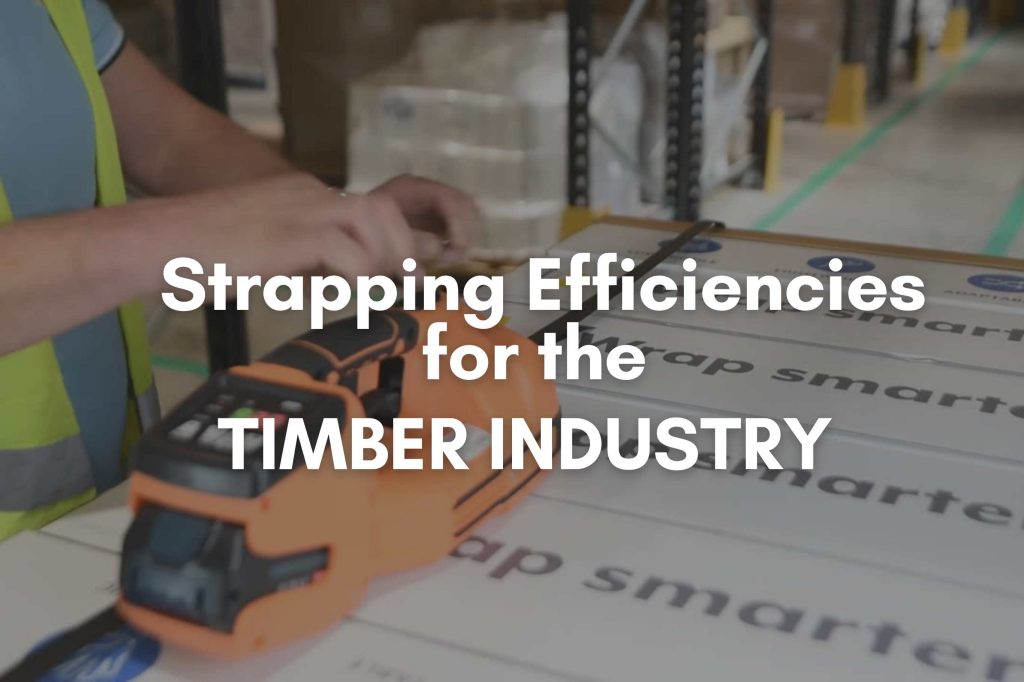
Strapping Efficiencies for the Timber Industry
Strapping Efficiencies for the Timber Industry
The timber industry depends on reliable packaging to keep products safe during storage, transport and handling. From large timber yards to construction suppliers and sawmills, businesses must move heavy and often irregular loads while maintaining product quality.
Strapping plays a critical role in securing timber bundles, stabilising palletised loads, and preventing damage. When used effectively, it improves operational efficiency, reduces product loss and helps maintain safe working environments.
Why Strapping Is Essential in the Timber Industry
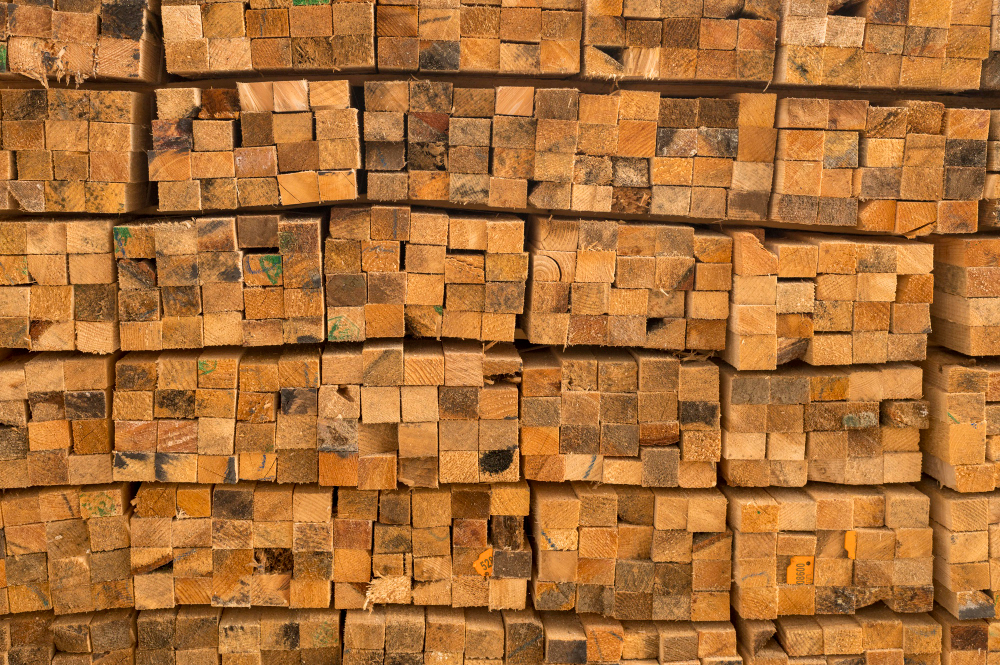
Timber products are heavy, bulky and awkwardly shaped. Without secure load containment, bundles can shift during handling or transport. This can result in damaged goods, safety risks and increased operational costs.
Effective timber strapping provides several key benefits:
Improved load stability during transport
Reduced product damage and breakages
Safer warehouse and yard environments
Strapping works as a load containment system that holds timber bundles together while maintaining tension during movement. It ensures materials arrive at their destination in the same condition they left the yard
Choosing the Best Strapping for Timber Loads
Selecting the correct strapping material is one of the most important factors in improving packaging efficiency. Different materials are designed for different load weights and transport conditions.
Polypropylene (PP) Strapping
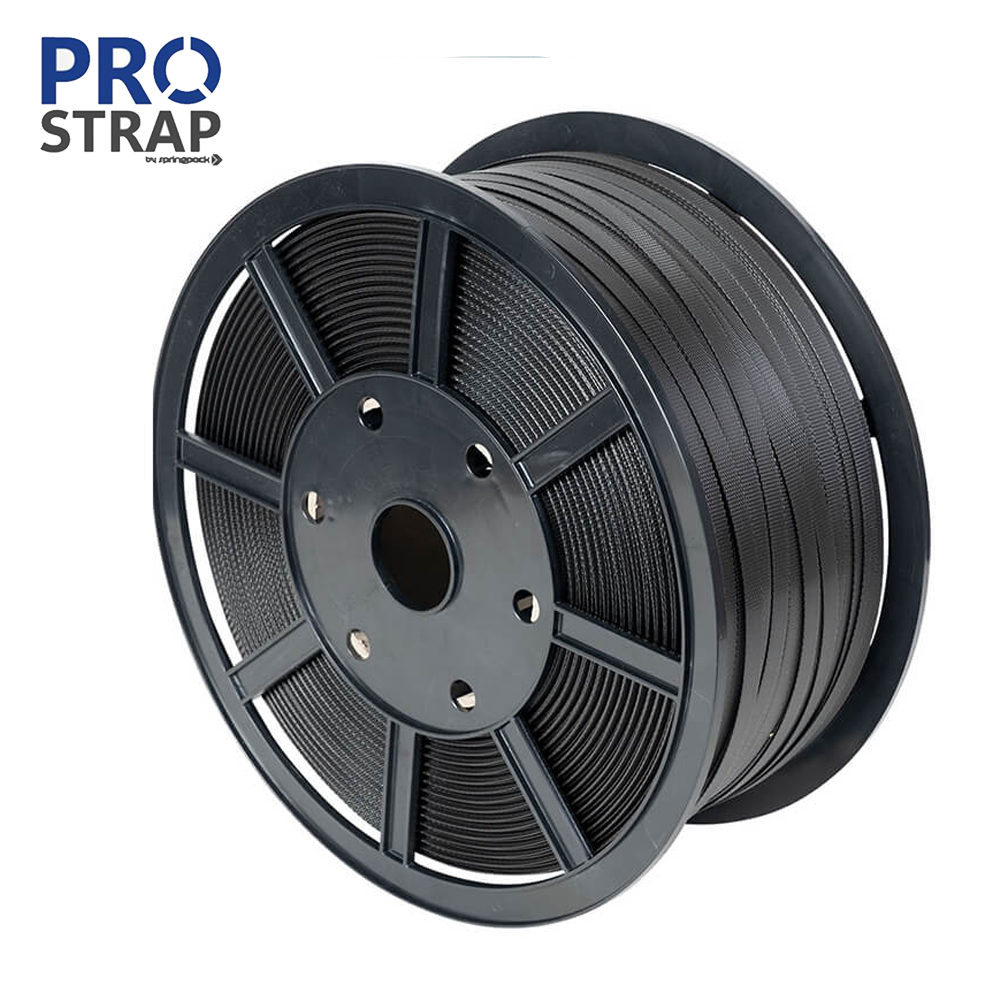
Polypropylene strapping is lightweight and economical. It is commonly used for lighter timber products or palletised goods where high tension is not required.
Polyester (PET) Strapping
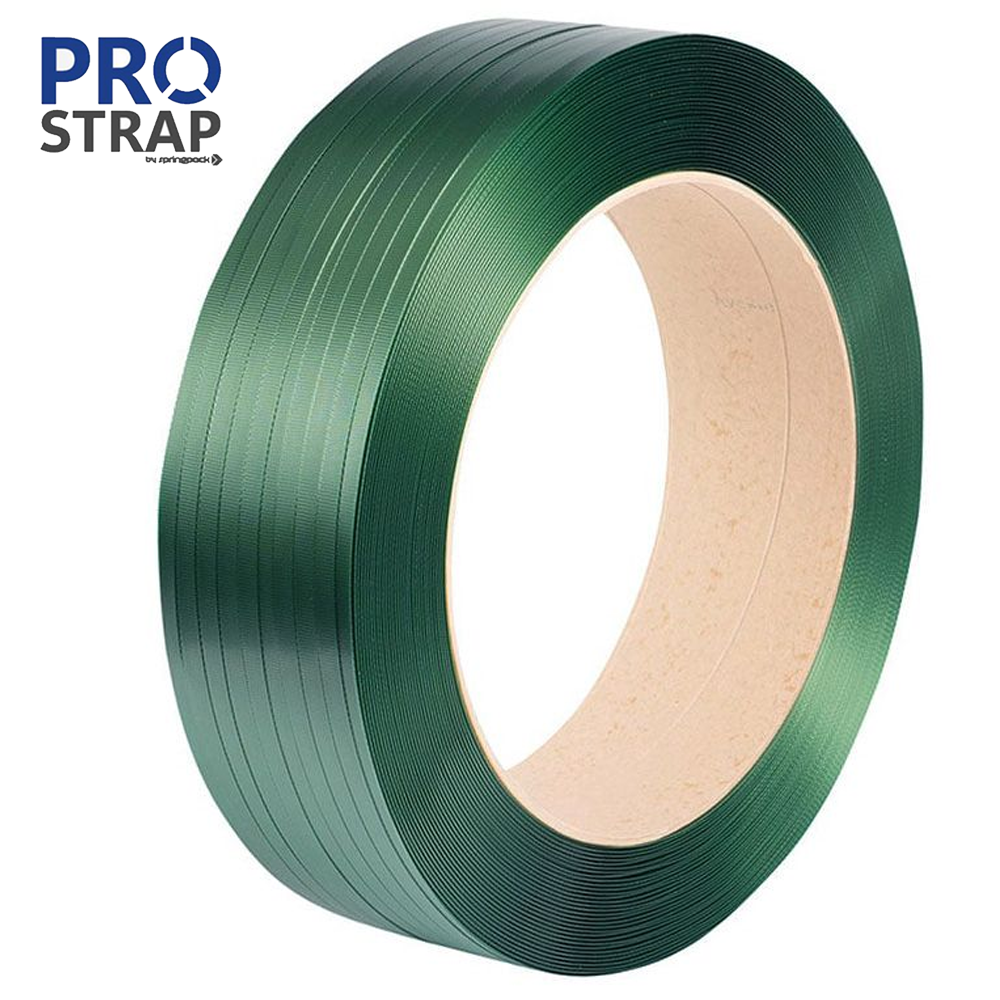
Polyester strapping offers higher tensile strength and excellent load retention. It is widely used in the timber industry because it can absorb shock and maintain tension during transport. This makes it suitable for heavier timber bundles.
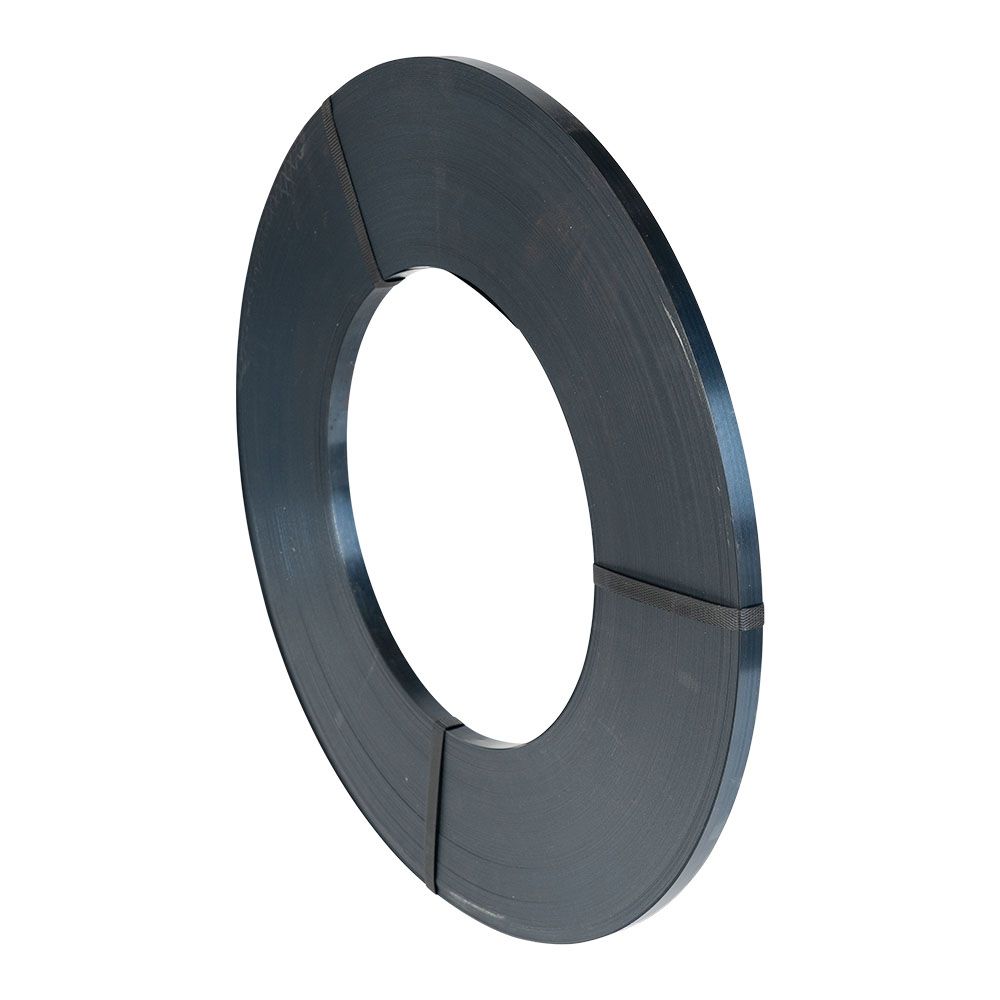
Steel Strapping
Steel strapping provides the highest strength and durability. It is often used for extremely heavy or rigid timber products that require maximum load security.
For many timber applications, polyester strapping offers the best balance between strength, flexibility and cost efficiency.
How Automation Improves Strapping Efficiency
Many timber operations still rely on manual strapping methods. While this can work for smaller volumes, high-output facilities often benefit from automated systems.
Semi-automatic and automatic strapping machines help standardise the packaging process and increase productivity.
Benefits of automated strapping include:
Consistent strap tension on every bundle
Faster packaging speeds
Reduced labour requirements
Lower material waste
Improved workplace safety
For timber businesses handling large volumes, investing in the right strapping equipment can significantly improve operational flow.
Best Practices for Strapping Timber Bundles
Improving strapping efficiency also depends on following proven handling practices.
Apply correct tension
Straps must be tight enough to stabilise the load without damaging the timber.
Distribute straps evenly
Even strap placement improves load balance and prevents bundle movement.
Use edge protection
Corner protectors help prevent straps from cutting into sharp timber edges.
Maintain equipment regularly
Properly maintained tools and machines ensure consistent results.
These small improvements can have a significant impact on packagin packaging performance and product protection.
Strapping efficiency is an important part of modern timber logistics. Secure load containment protects valuable materials, improves workplace safety and supports smooth transportation.
By selecting the correct strapping materials, introducing automation where appropriate and following best practices, timber businesses can improve packaging performance while reducing waste and operational costs. With the right approach and expert support, strapping becomes more than just a packaging step. It becomes a key part of an efficient and reliable timber operation.
Frequently Asked Questions
What is wood strapping?
Wood strapping refers to the use of strong bands, typically made from polypropylene, polyester or steel, to secure bundles of timber during storage and transportation. It helps stabilise loads and prevent movement during handling.
What is strapping used for in construction?
Strapping is used in construction to secure building materials, bundle timber products and stabilise loads during delivery. It ensures materials remain safe and organised throughout the transport process.
How do you apply strapping correctly?
Strapping should be applied with the correct tension using manual tools or automated strapping machines. Straps should be evenly positioned around the load and sealed using buckles, metal seals or friction welding depending on the system used.
If you are interested in Packaging, Springpack are experts in the field. Our team of Packaging Experts have all of the answers to your packaging questions. Why not get in touch with us today?