


If you would like to learn more about Springpack and our services, use the form below to submit an enquiry, or get in touch with one of our packaging experts by…
5 Ways to Remove Plastic from Your Packing Line
5 Ways to Remove Plastic from Your Packing Line
34% of consumers actively avoid buying from brands they have ethical concerns about.
With reducing plastic a key consideration made by consumers, reducing amount of plastic used in your packaging operation isn’t just good for the planet; it’s essential for your business too.
Making the switch to sustainable materials is one of the easiest ways to show that you care about reducing climate change and the plastic pollution problem.
At Springpack, we help businesses make those changes every day. As a carbon-neutral packaging partner and proud holders of an Ecovadis Gold rating, we’re experts in removing plastic from packing lines without compromising on strength, performance or efficiency. That being said, that isn’t to say that all plastic packaging is unethical, but today we will focus on plastic free solutions only.
Here are five practical ways to remove plastic from your packing line today.
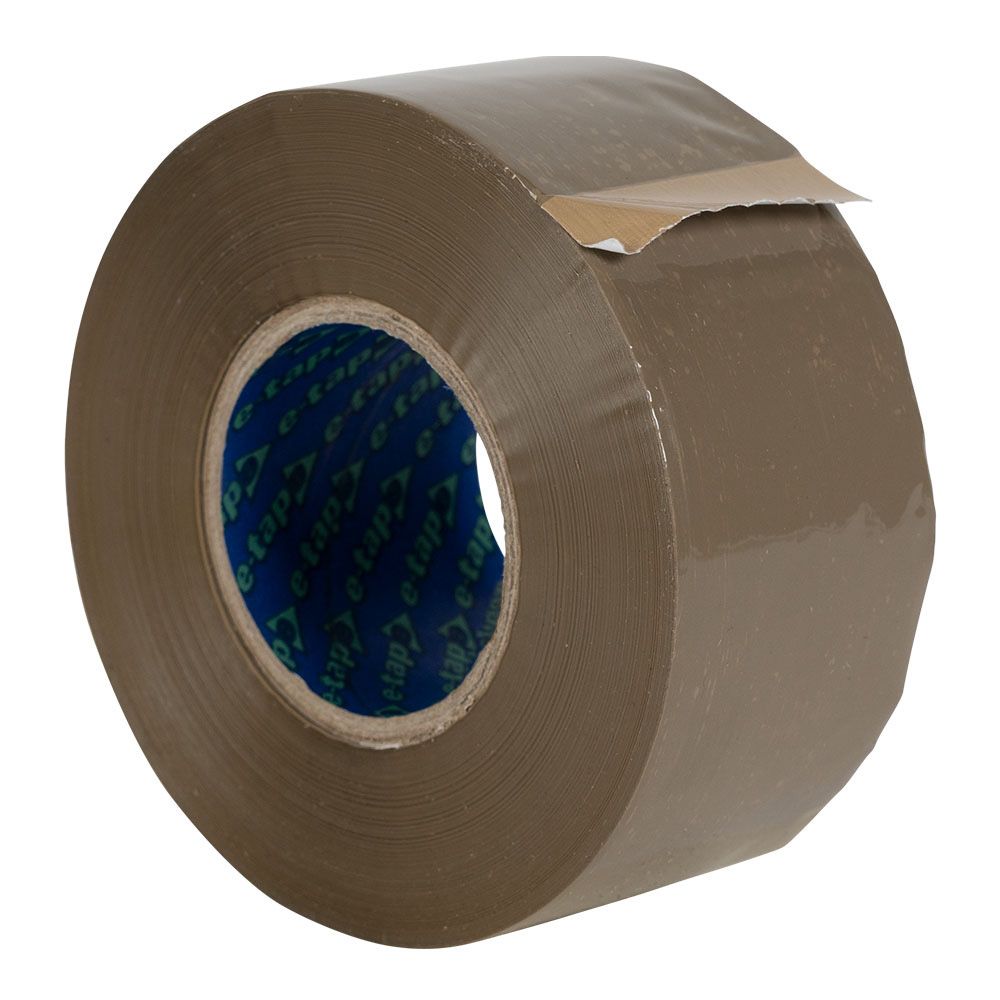
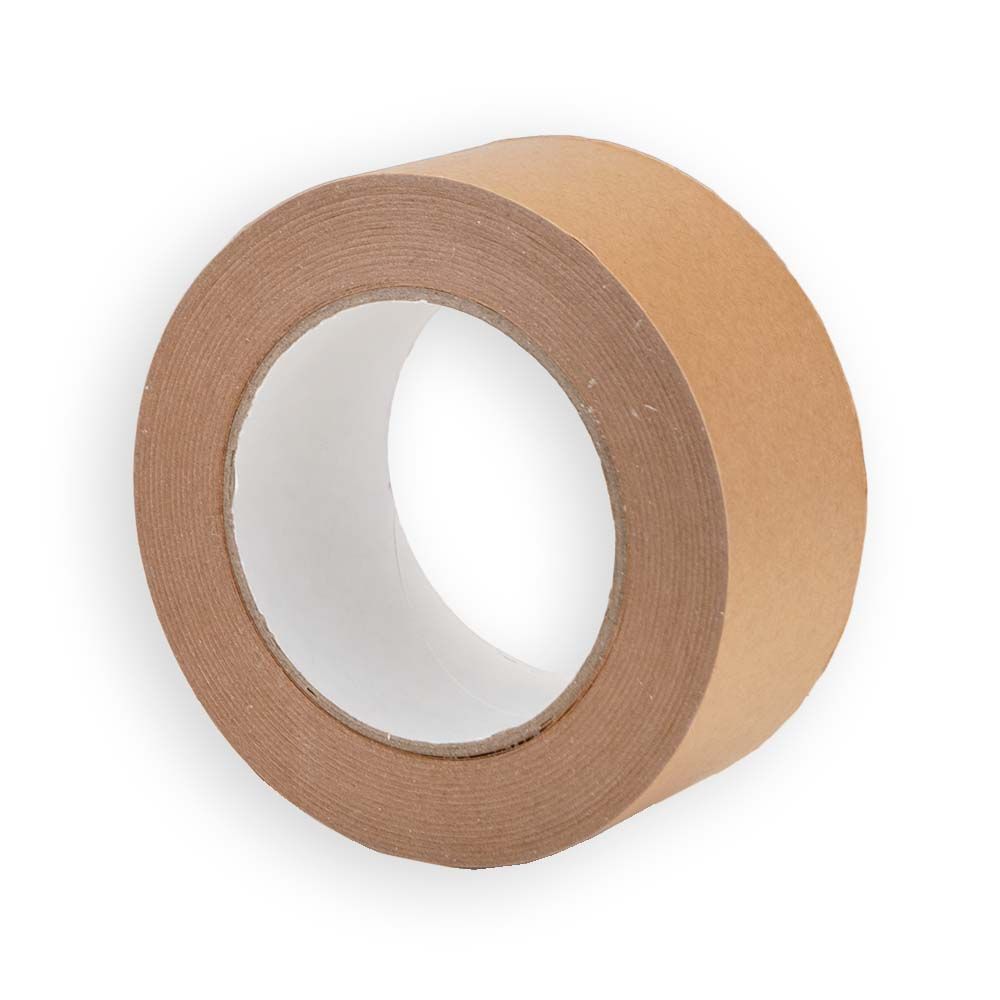
1. Switch to Paper Tape
Traditional plastic tapes like polypropylene or PVC can take hundreds of years to break down or be hard to recycle. Swapping to [aper tape offers a simple, effective alternative that performs just as well and in many cases, even better.
Paper tapes come in a few types:
Self-adhesive paper tape – Easy to apply, suitable for automated or manual use, and available in various widths, and is easy to brand should you require.
Gummed paper tape – Activated with water, this creates an incredibly strong seal that bonds directly with cardboard fibres. It’s tamper-evident too, making it ideal for shipping.
Linen reinforced paper tape – For heavier boxes, this version adds extra tear resistance and durability.
Switching to paper tape not only reduces plastic waste but also improves the recyclability of your boxes. Once the parcel is used, the tape and box can be recycled together, saving time for both your team and your customers.
If you’re unsure which tape type would work best for your products or machinery, Springpack can test and recommend the perfect option during a free packaging review.
2. Swap to Paper Void Fill
Many packing lines still rely on packing peanuts to protect products in transit. Paper void fill is a strong, sustainable alternative that provides excellent cushioning and shock absorption.
Options like RIPAD or Paper-in-a-Box systems are simple to introduce and easy for packers to use. They create crumpled or fan-folded paper that moulds around items, preventing movement inside the box. Paper void fill is fully recyclable and made from recycled paper.
Not only does it look more premium than plastic, it’s also quieter to use, reduces static build-up, and is easier for customers to dispose of responsibly.
Springpack can demonstrate different systems and help you calculate exactly how much paper fill you’ll need to protect your products effectively.
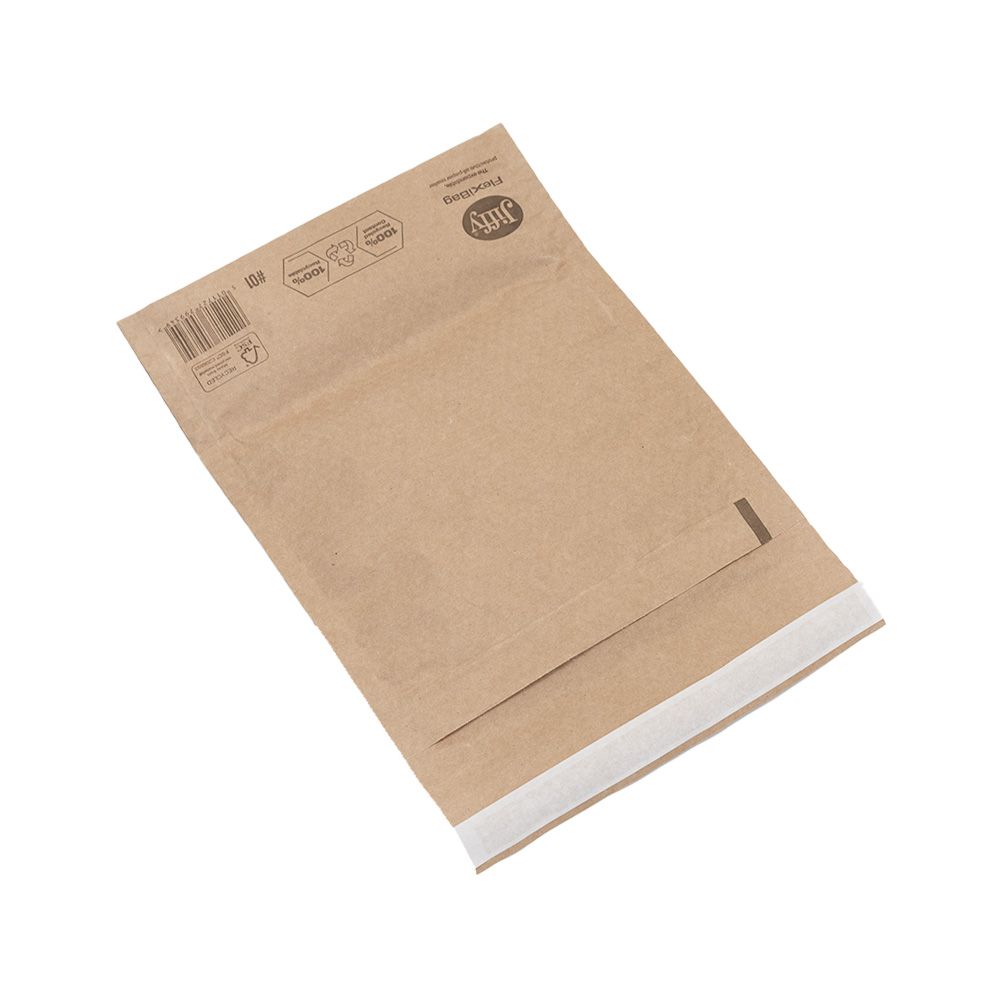
3. Change Plastic Mailing Bags for Paper Mailers
Mailing bags are often one of the last sources of plastic on a packing line. Replacing them with paper mailers is an easy, low-cost step toward plastic-free packaging.
Modern paper mailers are strong, water-resistant, and available in a wide range of sizes. They’re perfect for clothing, books, and other e-commerce products. Mailing bags from Springpack can be printed with branding and eco messages too, helping to promote your sustainability story.
Springpack supplies high-quality, recyclable paper mailers designed to handle the rigours of delivery networks while keeping your products protected and your customers happy.
4. Choose Paper Padded Mailers Instead of Bubble-Lined Mailers
The familiar bubble-lined mailer bag is another common culprit when it comes to plastic waste. Luckily, there’s a sustainable replacement, paper padded mailers.
These envelopes use layered paper cushioning instead of plastic bubbles, offering the same level of protection for delicate or small items. They’re tough, lightweight, and 100% recyclable in standard household collections.
Switching to paper cushioning means your customers no longer have to separate materials before recycling, which makes for a better unboxing experience and improves your brand’s eco credentials.
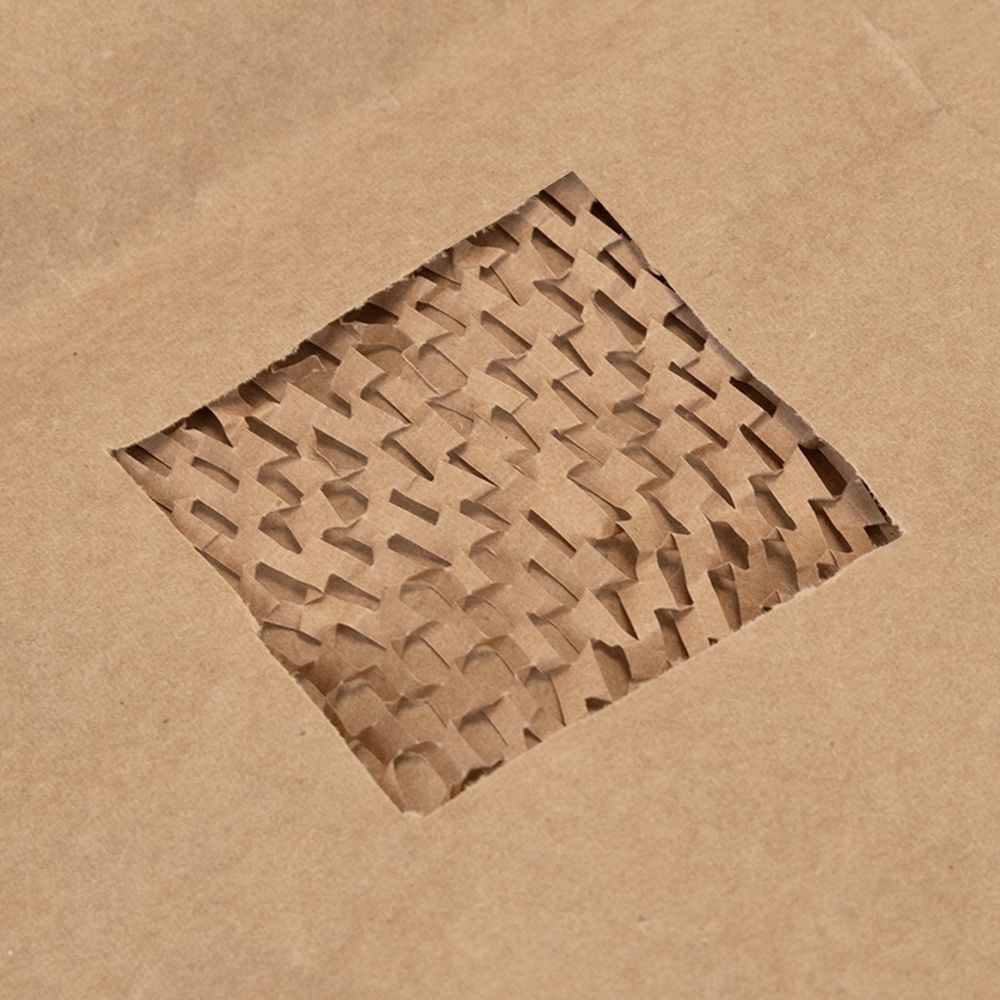
5. Replace Bubble Wrap with Hive Wrap
Bubble wrap has been a warehouse staple for decades, but paper-based wraps like Hive Wrap, or Globular Embossed Paper now offer a smart, sustainable alternative.
Hive wrap expands into a honeycomb structure that provides excellent cushioning and flexibility. It can wrap around oddly shaped items, fill voids, and offer a professional finish without using any plastic. Hive Wrap can also help you reduce storage space — rolls take up much less room than bulky bubble wrap.
Customers love the look and feel of paper wrap, and it clearly communicates that your business is taking sustainability seriously.
Ready to Start Reducing Plastic?
Switching to sustainable packaging doesn’t have to be complicated. With so many paper-based alternatives available, the hardest part is knowing which products are right for your operation. That’s where Springpack can help.
As your packaging partner, we’ll do the hard work for you. Our experts will carry out a free packaging review, assess your current materials, and recommend the best plastic-free solutions for your business.
We’re proud to be carbon neutral and EcoVadis Gold rated, and we’ve helped hundreds of companies reduce their environmental impact without sacrificing efficiency or protection.
Get in touch today to book your packaging review and start your journey towards a plastic-free packing line.
If you are interested in Packaging, Springpack are experts in the field. Our team of Packaging Experts have all of the answers to your packaging questions. Why not get in touch with us today?