 Request Your Machine Service & Repair Online


If you would like to learn more about Springpack and our services, use the form below to submit an enquiry, or get in touch with one of our packaging experts by…
Hidden Packaging Costs Draining Your Budget
Hidden Packaging Costs Draining Your Budget
5 Areas of Packaging that Businesses Often Overlook
When businesses review their packaging spend, they often focus on the price of individual products. However, the real cost of packaging extends far beyond the unit price of a box, tape roll or pallet wrap.
Many organisations unknowingly lose thousands of pounds each year through hidden costs linked to inefficient packaging processes, product damage, wasted materials and excess labour. Identifying these areas can help improve operational efficiency, reduce waste and lower overall packaging expenditure.
Understanding the full cost of packaging allows businesses to make informed decisions that support both profitability and sustainability.
What Are Hidden Packaging Costs?
Hidden packaging costs are indirect expenses caused by inefficient packaging materials, processes or supply chain practices. They often include labour, storage, transport, damage and waste costs that are not immediately visible when purchasing packaging products.
While packaging purchase costs are easy to measure, these indirect costs can often have a greater impact on a company’s bottom line.
Packaging Waste Disposal Charges
Packaging waste is now covered under DEFRA’s EPR guidelines. Many companies now need to assess their packaging materials under the Recyclability Assessment Methodology.
Reducing unnecessary packaging and choosing recyclable materials can help minimise disposal costs while supporting sustainability goals.
Labour Costs Associated with Packaging
Labour is often one of the largest hidden packaging expenses.
If employees spend additional time:
Building boxes
Applying excessive tape
Wrapping pallets multiple times
Repacking damaged shipments
Packaging costs can quickly escalate.
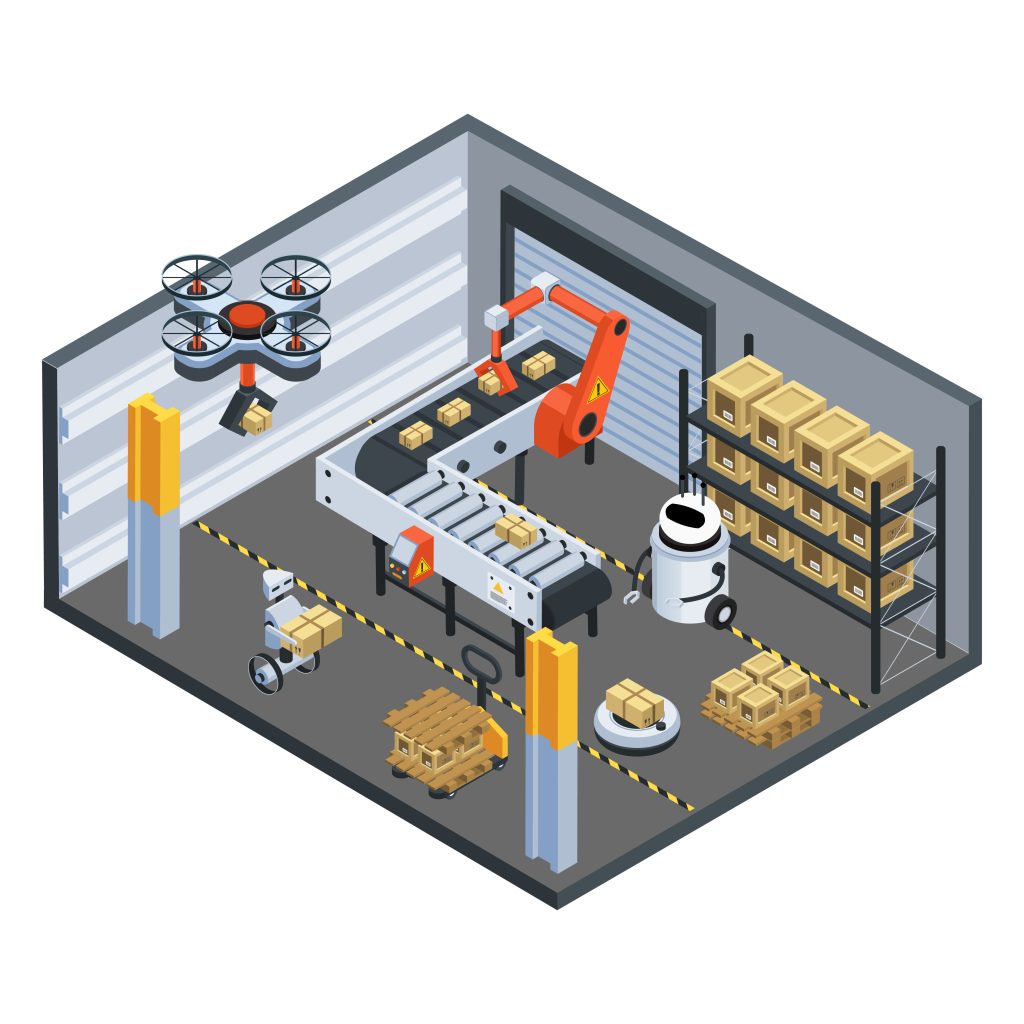
Introducing automated or more efficient packaging solutions or automation can reduce handling times and improve productivity.
Transport and Distribution Costs
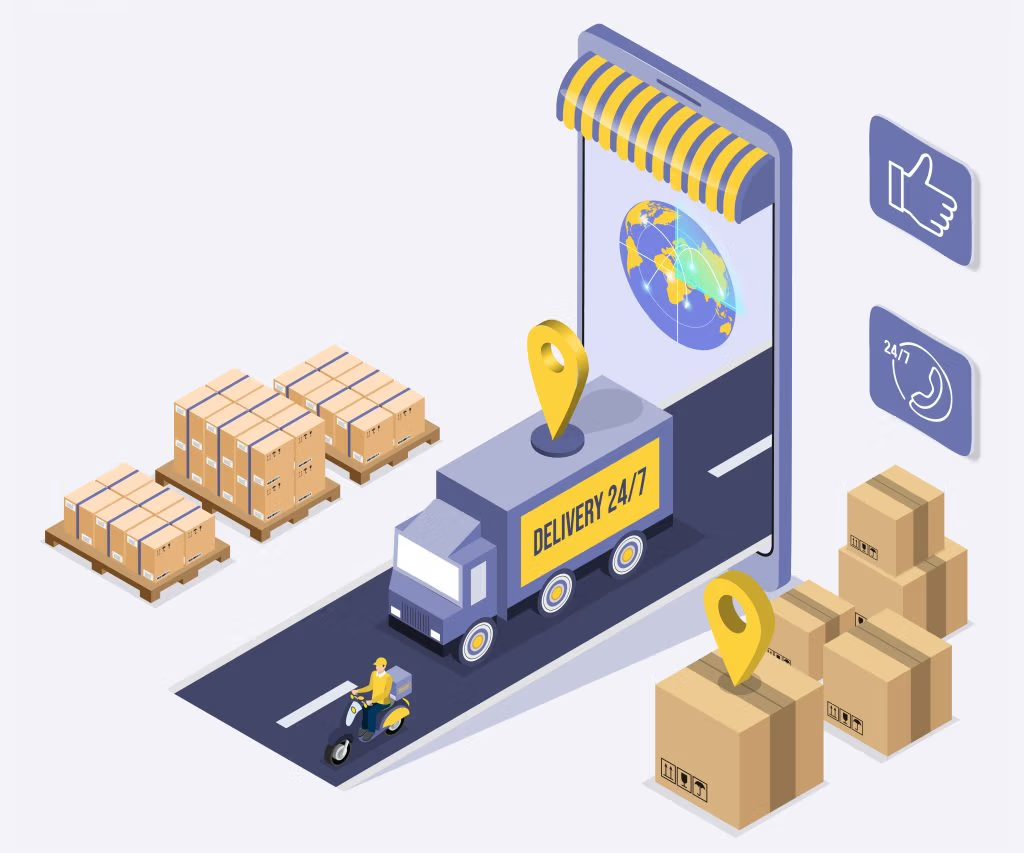
Packaging directly affects shipping costs.
Heavy, oversized or inefficient packaging can increase:
Vehicle loading requirements
Fuel consumption
Carrier charges
Carbon emissions
Many transport providers use volumetric weight calculations, meaning businesses may pay to transport empty space rather than products.
Optimising packaging design and selecting the correct packaging format can help maximise vehicle utilisation and reduce shipping costs.
Warehouse Storage Costs
Packaging occupies valuable warehouse space.
Holding excessive stock levels or using bulky packaging products can increase:
Storage costs
Internal handling requirements
Inventory management complexity
By reviewing packaging specifications and stockholding practices, businesses can often free up warehouse capacity while maintaining operational resilience.
Frequent Packaging Product Changeovers
Changing packaging materials too frequently can create hidden inefficiencies.
This may occur when businesses purchase products solely based on price without considering overall performance.
Frequent changes can lead to:
Staff retraining
Reduced packing consistency
Increased procurement administration
Higher error rates
Working with a packaging supplier that understands operational requirements can help identify products that deliver long-term value rather than short-term savings.
How to Reduce Hidden Packaging Costs
Businesses looking to reduce overall packaging expenditure should focus on the total cost of ownership rather than product price alone.
Practical steps include:
Conducting a packaging audit
Reviewing packaging specifications
Measuring product damage rates
Monitoring material usage
Improving pallet stability
Exploring automation opportunities
Reducing unnecessary packaging waste
A comprehensive packaging review often identifies opportunities for cost savings that are not immediately visible within procurement data.
The cheapest packaging product is not always the most cost-effective solution.
Hidden costs linked to damage, labour, transport, storage and waste can have a significant impact on overall business performance. By understanding the true cost of packaging and reviewing current processes, organisations can uncover opportunities to improve efficiency, reduce waste and lower operational expenditure.
Taking a strategic approach to packaging optimisation can deliver long-term savings while improving customer satisfaction and supply chain performance.
Frequently Asked Questions
What are hidden packaging costs?
Hidden packaging costs are indirect expenses such as labour, damage, transport, storage and waste disposal costs that occur alongside packaging purchases.
How can packaging reduce shipping costs?
Using right-sized packaging and lightweight materials can reduce transport weight, improve vehicle utilisation and lower carrier charges.
Why is product damage considered a packaging cost?
Damaged products can create replacement costs, return shipping expenses, additional labour and customer service requirements.
How can businesses reduce packaging waste?
Businesses can reduce waste by using the correct packaging size, eliminating unnecessary materials and selecting recyclable packaging products.
What is a packaging audit?
A packaging audit reviews packaging materials, processes and performance to identify opportunities for cost savings, waste reduction and operational improvements
If you are interested in Packaging, Springpack are experts in the field. Our team of Packaging Experts have all of the answers to your packaging questions. Why not get in touch with us today?