 Request Your Machine Service & Repair Online


If you would like to learn more about Springpack and our services, use the form below to submit an enquiry, or get in touch with one of our packaging experts by…
Plastic Free July: Packaging Swaps To Reduce Plastic Waste
Packaging Swaps to Reduce Plastic Waste
Discover five practical packaging swaps for Plastic Free July, from replacing bubble wrap with pulp inserts to switching to paper tape and paper void fill.
Plastic Free July encourages businesses and individuals to examine where unnecessary plastic can be reduced. For organisations that ship products every day, packaging is often one of the easiest places to begin.
Making sustainable packaging changes does not necessarily mean replacing every plastic product.
Instead, it is about reviewing where alternative materials can deliver the same level of protection while supporting waste reduction, improving recyclability and contributing to a sustainable supply chain.
Many of these improvements also align with the direction of Extended Producer Responsibility (EPR), packaging waste legislation and wider circular economy principles, helping businesses prepare for future compliance while reducing unnecessary material use.
Packaging designed with recyclability, material efficiency and waste reduction in mind can help businesses support their sustainability objectives.
As businesses continue to review their industrial packaging, small changes can contribute to resource efficiency and environmental compliance.
Why Plastic Free July Matters for Packaging
Packaging is essential for protecting goods during storage and transport, but it also represents a significant opportunity to reduce waste.
The introduction of Extended Producer Responsibility, increasing focus on packaging waste regulations, and growing customer expectations around sustainable packaging mean businesses are looking beyond cost alone when reviewing packaging materials.
Plastic Free July provides an opportunity to assess where plastic is genuinely required and where suitable alternatives already exist.
Importantly, replacing plastic should never come at the expense of product protection. The most successful packaging improvements balance sustainability with operational performance, ensuring products continue to arrive safely while supporting recyclability, waste management and environmental reporting objectives.
Swap Bubble Wrap for Moulded Pulp Inserts
One of the most effective packaging changes is replacing bubble wrap with moulded pulp inserts.
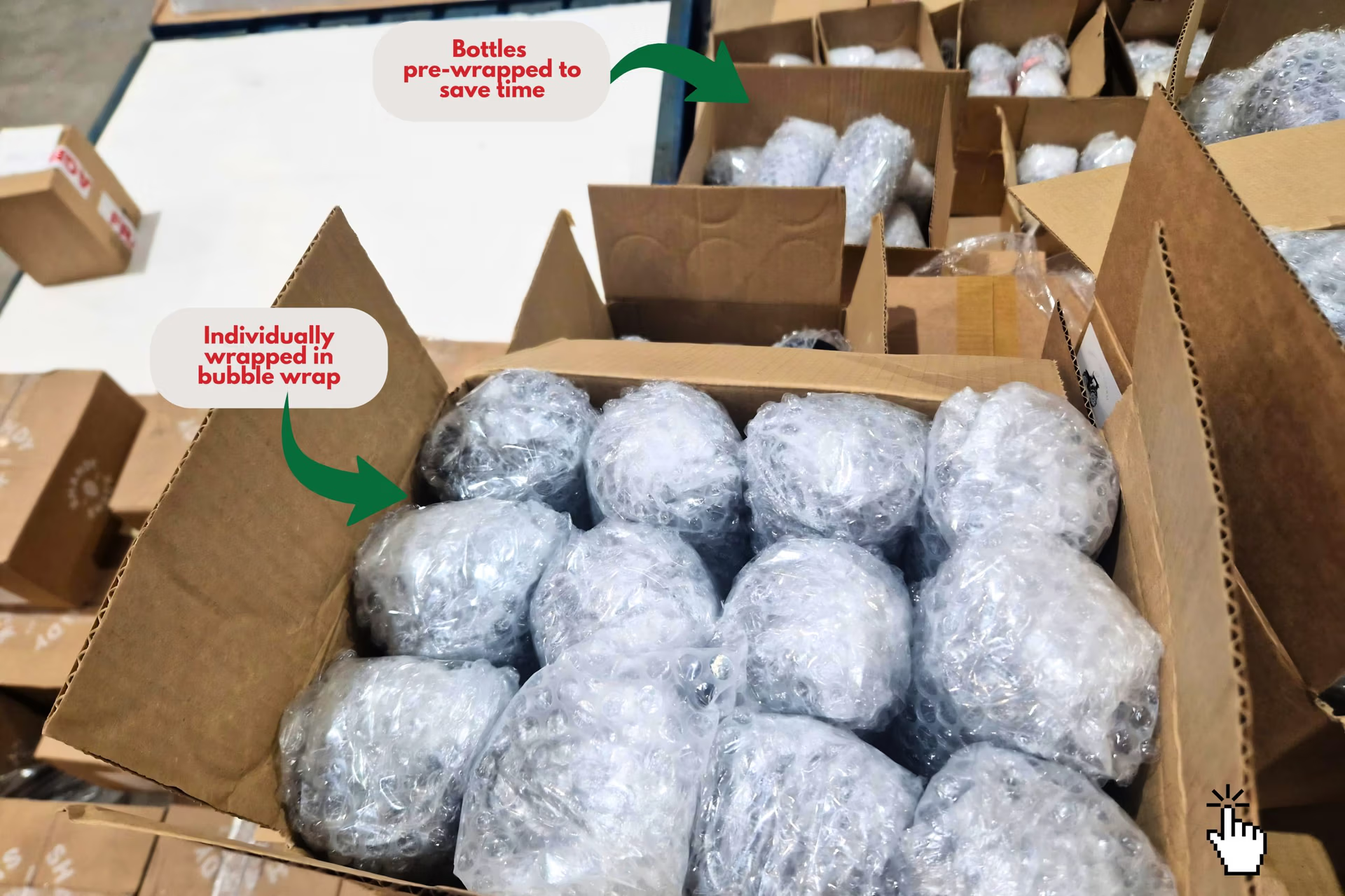
A recent Springpack customer was individually wrapping beer bottles in bubble wrap before placing them into a cardboard box. While this provided protection, every bottle required wrapping, increasing both packing time and material consumption.
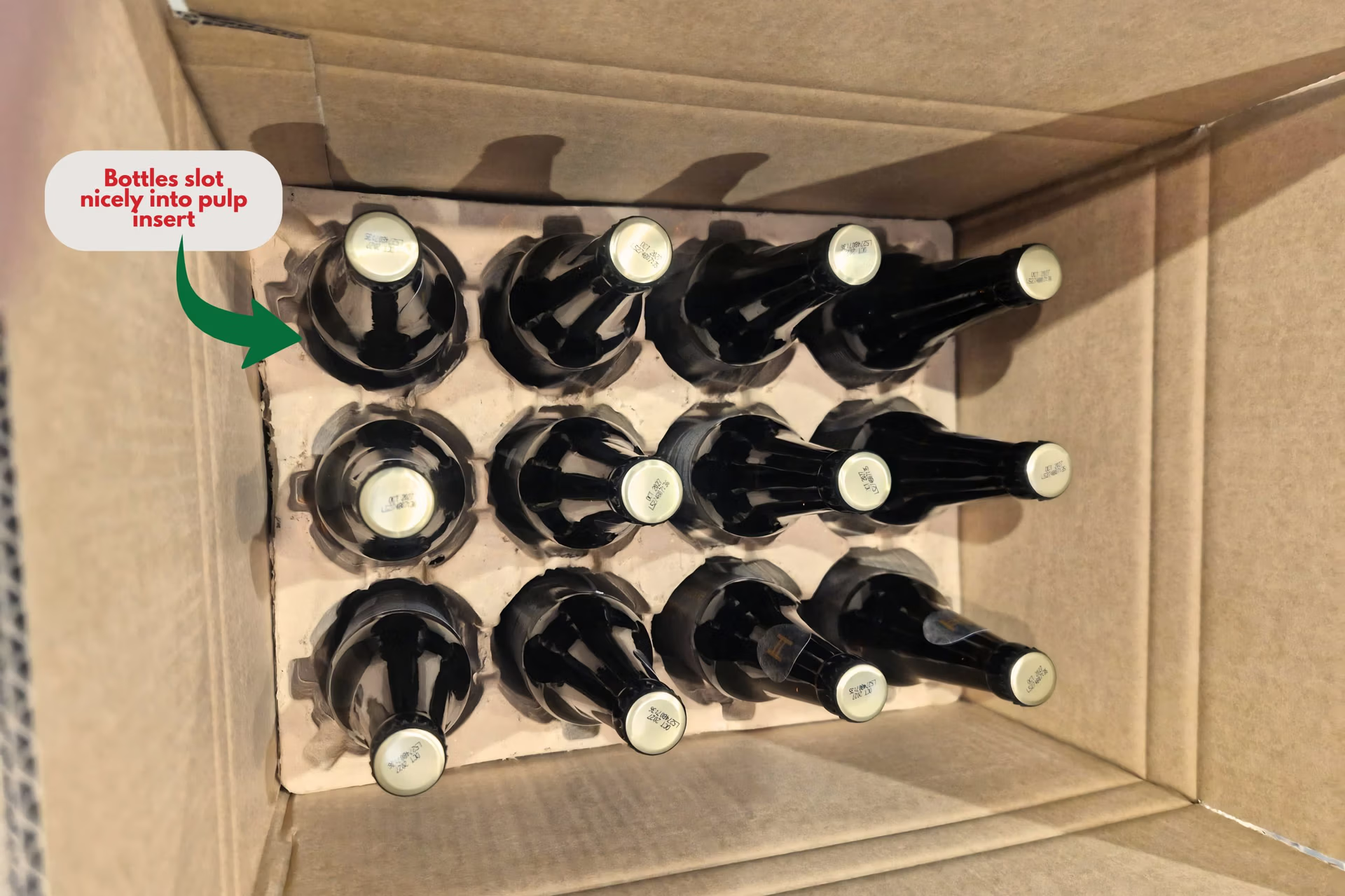
Following a packaging review, moulded pulp inserts were introduced instead.
Each insert securely holds the bottles in place in the box, reducing packing time and eliminating plastic from their packaging.
Unlike bubble wrap, moulded pulp inserts are manufactured from paper fibres, can often be reused multiple times if they remain undamaged and are widely accepted within UK paper recycling collections. This supports design for recycling, improves recyclability and contributes towards a more circular economy.
Learn about our plastic free solutions
Springpack are experts in paper packaging solutions. FSC® and EcoVadis certified, you can trust Springpack to provide you with a truly sustainable option.
How do you recycle bubble wrap?
Bubble wrap is recyclable, but it shouldn't be placed in household kerbside recycling bins. This is because it is a flexible plastic film. Instead, many supermarkets and dedicated kerbside recycling points accept plastic films for recycling.
Replace Plastic Packing Tape with Paper Tape
Another straightforward packaging improvement is switching from traditional plastic packing tape to paper tape.
Paper tapes are designed to seal cardboard boxes while remaining compatible with paper recycling streams when used correctly. This can reduce the need for customers to separate different packaging materials before recycling. Research shows that almost 1/5th of recycling in the UK can’t be processed due to factors such as ineffective pre-cycling.
One of the key benefits to swapping from plastic tape to paper tape, is that the end user does not need to remove the paper tape from the packaging before recycling it. This reduces the amount of contamination of non-recyclables (like plastic tape) going into recycing bins.
Paper tape has an eco-friendly appearance too, and offers a clear visual signal to the end user that it can be recycled. It also bonds well to corrugated surfaces and is available in reinforced grades for heavier packaging boxes.
Why not check out our Paper Tape Range?
Review Your Pallet Wrap Usage
Plastic Free July does not always mean eliminating plastic.
In some applications, plastic remains the safest and most effective packaging material. The focus should instead be on using the right amount.
Many businesses can reduce plastic consumption by reviewing how pallet wrap, stretch film or machine stretch wrap is applied.
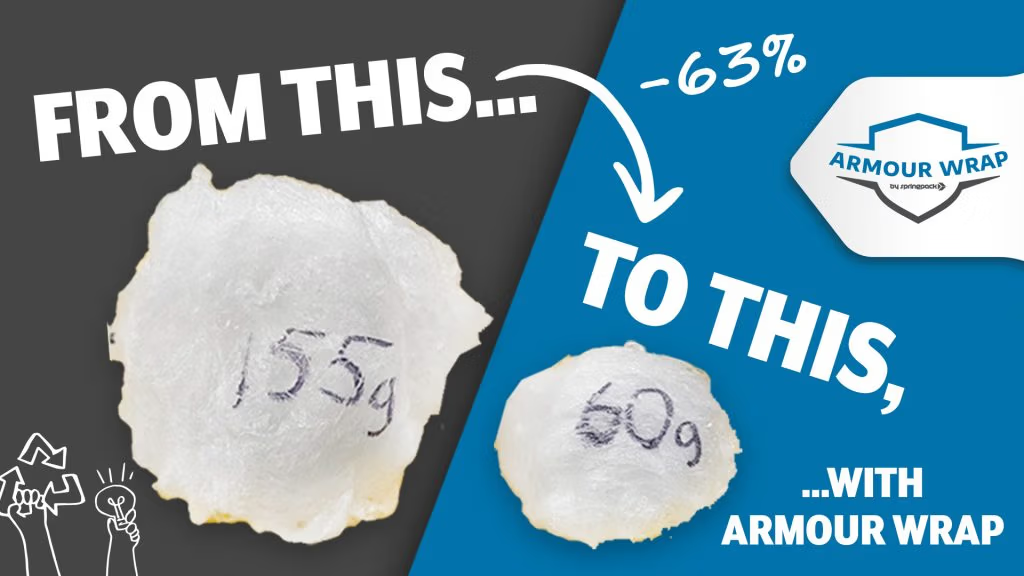
Modern high-performance films, such as Armour Wrap, often achieve the same or improved load stability, whilst using less material, improving resource efficiency.
A packaging review (explored next) can identify opportunities to optimise wrapping patterns, reduce film usage and improve operational efficiency without increasing product damage.
Book a Packaging Review
The biggest sustainability improvements rarely come from changing a single product.
Instead, they come from understanding how packaging performs across the entire operation.
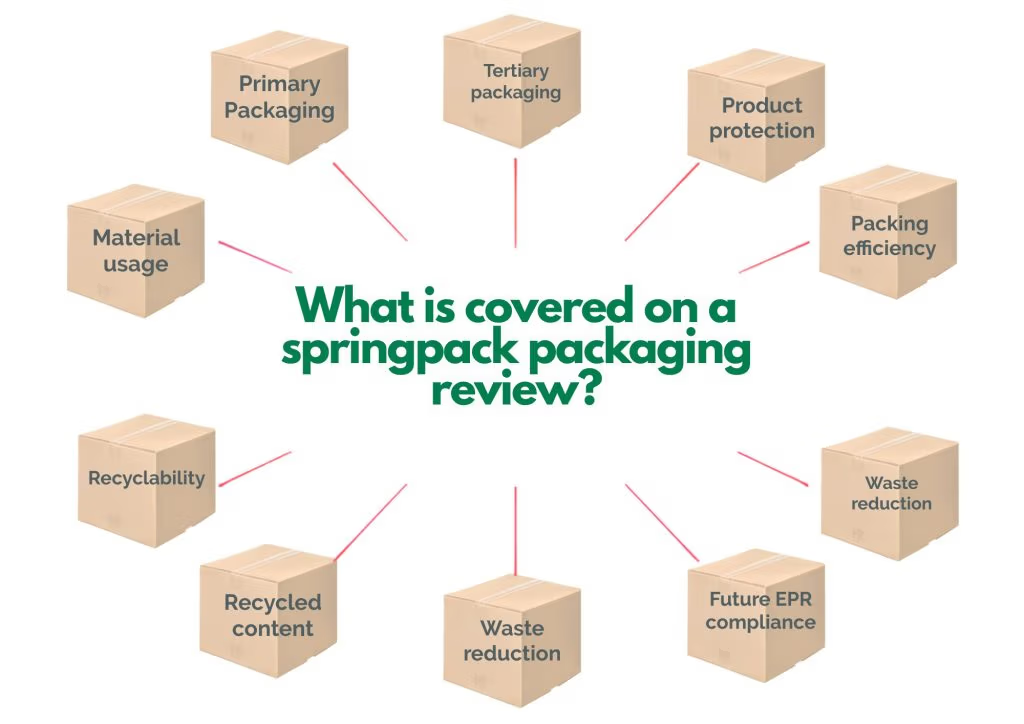
A Springpack packaging review considers:
Primary Packaging
Secondary packaging
Tertiary packaging
Material usage
Product protection
Packing efficiency
- Recyclability
- Recycled content
- Waste reduction
- EPR compliance
As Extended Producer Responsibility develops across the UK, businesses are placing greater emphasis on packaging choices that support both operational performance and environmental compliance.
A packaging review can help identify practical opportunities to reduce waste, improve efficiency and support long-term sustainability goals.
Plastic Free July is not about removing plastic at all costs. It is about making informed packaging decisions that reduce unnecessary material, improve recyclability and support a more sustainable packaging strategy.
Simple changes, such as replacing bubble wrap with moulded pulp inserts, switching to paper tape, introducing paper void fill or reviewing pallet wrap usage, can help businesses reduce waste while maintaining product protection and operational efficiency.
As organisations prepare for evolving packaging waste legislation, Extended Producer Responsibility, and increasing customer expectations around sustainability, reviewing packaging today can deliver benefits that extend well beyond Plastic Free July. Why not learn more about Plastic Free July?
Frequently Asked Questions
What is Plastic Free July?
Plastic Free July is a global initiative that encourages people and businesses to reduce unnecessary plastic use by making practical, sustainable changes throughout July and beyond.
Is bubble wrap recyclable?
Yes, but bubble wrap is a flexible plastic film and should usually be recycled through dedicated plastic film collection points rather than household kerbside recycling.
Is paper tape better than plastic tape?
For many cardboard boxes, paper tape can simplify recycling because it is compatible with paper recycling systems when used correctly.
What is paper void fill?
Paper void fill is protective paper used to fill empty spaces inside packaging, helping prevent movement during transit while providing an easily recyclable alternative to many plastic void fills.
How does Extended Producer Responsibility (EPR) affect packaging?
Extended Producer Responsibility places greater responsibility on producers for the costs associated with managing packaging waste. This encourages businesses to consider recyclability, sustainable materials, resource efficiency and packaging design when selecting packaging solutions.
Are Springpack FSC ® Certified?
Springpack are proud to announce we are FSC® Certified. You can download our certificate here
If you are interested in Packaging, Springpack are experts in the field. Our team of Packaging Experts have all of the answers to your packaging questions. Why not get in touch with us today?