 Plastic Free July


If you would like to learn more about Springpack and our services, use the form below to submit an enquiry, or get in touch with one of our packaging experts by…
The Packaging Review Most Teams Skip
The Packaging Review Most Teams Skip
Many businesses review supplier contracts, transport costs and inventory levels regularly. Packaging, however, is often left unchanged for years.
This can lead to unnecessary spending, inefficient processes and missed opportunities to improve sustainability. A packaging review is not simply about finding cheaper products. It is about understanding whether your packaging is still fit for purpose and delivering the best value for your business.
As packaging regulations evolve and new materials become available, reviewing your packaging strategy can reveal significant opportunities for improvement.
What Is a Packaging Review?
A packaging review is a structured assessment of the packaging materials, processes and systems used throughout your operation.
The goal is to identify opportunities to reduce costs, improve efficiency, minimise waste and ensure products are adequately protected throughout storage and distribution.
A comprehensive review typically examines:
- Packaging materials
- Protective packaging
- Pallet wrap and load stability
- Packing processes
- Storage requirements
- Waste management
- Sustainability performance
Why Packaging Reviews Are Often Overlooked
Many businesses only review packaging when there is a problem.
For example:
- Rising packaging costs
- Increased product damage
- Customer complaints
- Sustainability targets
- New legislation
However, packaging technology is constantly evolving. Materials that were considered best practice five years ago may no longer be the most efficient solution available today.
The UK’s waste reduction organisation, WRAP, highlights the importance of reviewing packaging design and material usage to improve resource efficiency and reduce waste.
How Book a Packaging Review
You can book a packaging review by picking a date from the calendar below
What a Packaging Review Can Reveal
Excess Material Usage
One of the most common findings is that businesses are using more packaging than necessary.
This may include:
- Oversized boxes
- Excessive void fill
- Over-wrapping pallets
- Using higher-specification materials than required
Reducing unnecessary material usage can lower purchasing costs and reduce waste generation.
Warehouse Storage Costs
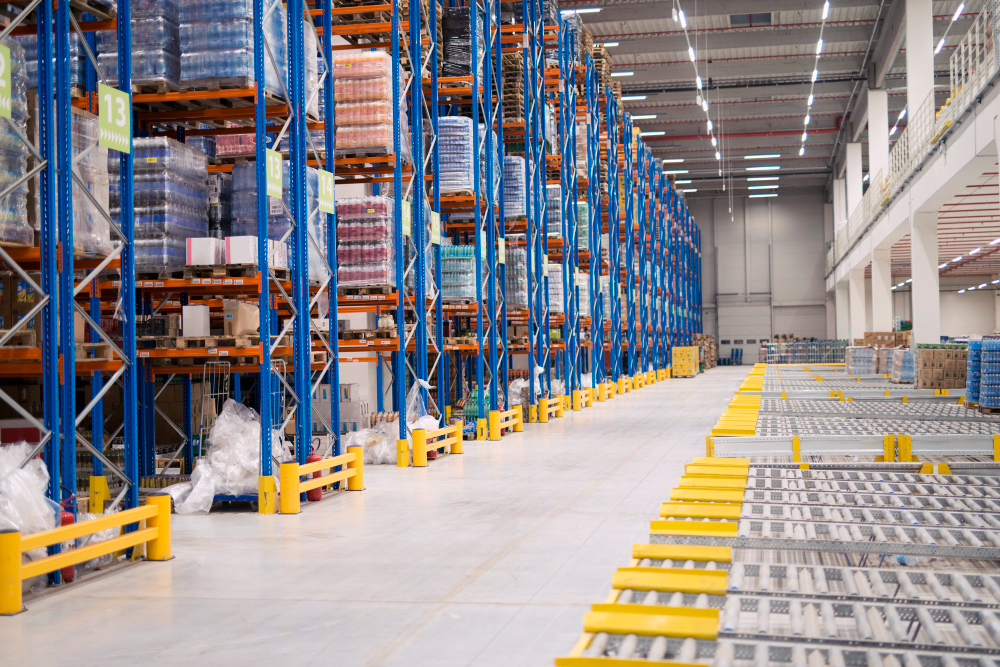
Packaging occupies valuable warehouse space.
Holding excessive stock levels or using bulky packaging products can increase:
Storage costs
Internal handling requirements
Inventory management complexity
By reviewing packaging specifications and stockholding practices, businesses can often free up warehouse capacity while maintaining operational resilience.
Sustainability Opportunities
Many businesses are working towards reducing packaging waste and improving recyclability.
A review can identify opportunities to:
- Reduce packaging weight
- Increase recycled content
- Improve recyclability
- Eliminate unnecessary materials
These improvements can support both environmental objectives and cost reduction programmes.

Product Damage Risks
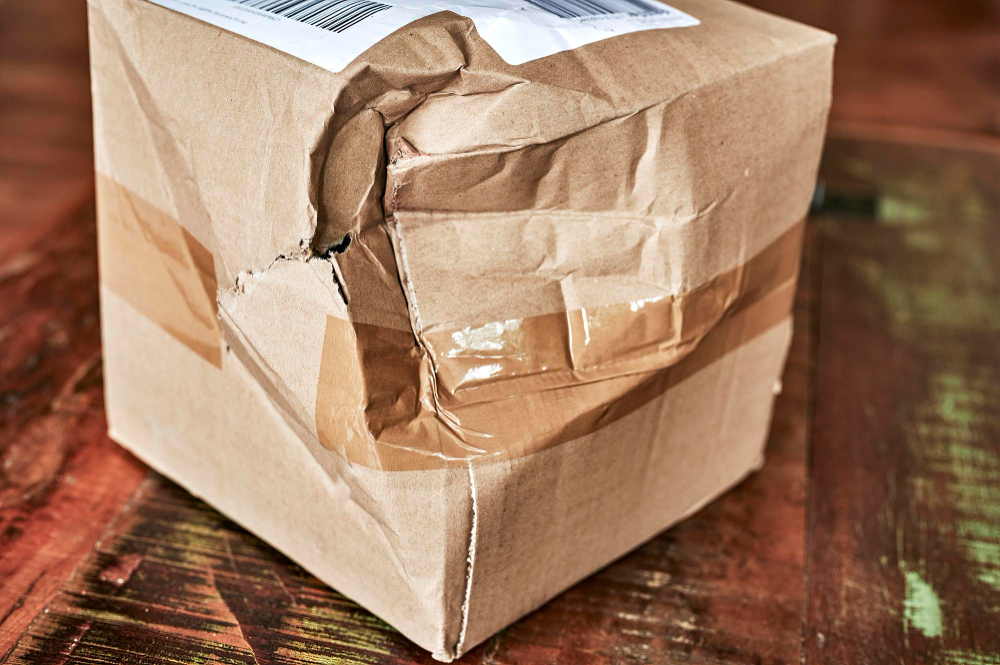
Inadequate packaging can result in damaged products, returns and customer dissatisfaction.
A packaging review should assess whether products are receiving the right level of protection throughout the supply chain.
This includes evaluating:
- Transit risks
- Storage conditions
- Pallet stability
- Protective packaging performance
When Should You Conduct a Packaging Review?
A packaging review should be considered when:
- Packaging costs increase significantly
- Product damage rates rise
- Sustainability targets change
- New regulations are introduced
- New products are launched
- Warehouse processes are updated
Many businesses benefit from conducting a review annually to ensure packaging remains aligned with operational requirements.
Five Questions to Ask During a Packaging Review
- Are we using the right packaging materials for the application?
- Are products being adequately protected during transit?
- Could we reduce material usage without compromising performance?
- Are there opportunities to improve packing efficiency?
- Does our packaging support our sustainability goals?
Answering these questions often uncovers opportunities that are not visible when focusing solely on packaging purchase costs.
Packaging is a critical part of every supply chain, yet it is frequently overlooked during operational reviews.
A structured packaging review can uncover hidden costs, improve efficiency, reduce waste and strengthen product protection. Rather than waiting for problems to arise, regular reviews help businesses identify opportunities for continuous improvement and long-term cost savings.
Frequently Asked Questions
What are hidden packaging costs?
Hidden packaging costs are indirect expenses such as labour, damage, transport, storage and waste disposal costs that occur alongside packaging purchases.
How can packaging reduce shipping costs?
Using right-sized packaging and lightweight materials can reduce transport weight, improve vehicle utilisation and lower carrier charges.
Why is product damage considered a packaging cost?
Damaged products can create replacement costs, return shipping expenses, additional labour and customer service requirements.
How can businesses reduce packaging waste?
Businesses can reduce waste by using the correct packaging size, eliminating unnecessary materials and selecting recyclable packaging products.
What is a packaging audit?
A packaging audit reviews packaging materials, processes and performance to identify opportunities for cost savings, waste reduction and operational improvements
If you are interested in Packaging, Springpack are experts in the field. Our team of Packaging Experts have all of the answers to your packaging questions. Why not get in touch with us today?