 Up to 50% Off Pallet Wrap


If you would like to learn more about Springpack and our services, use the form below to submit an enquiry, or get in touch with one of our packaging experts by…
PPWR - ARTICLE 5 ARE YOU COMPLIANT?
PPWR ARTICLE 5 COMPLIANCE
Rising material costs, increased transport charges, and evolving legislation are putting pressure on businesses to rethink how they package their packaging design, and the products they use.
Recent Articles
Extended Producer Responsibility (EPR) is changing how packaging is taxed and reported across the UK, meaning making smart packaging choices to improve material optimisation and reduce packaging waste is vital.
What are smart packaging choices?
Smart packaging choices are practical decisions that improve efficiency across your packaging operation.
This includes:
Products that work to reduce material usage
Selecting more recyclable options
Optimising pack formats to suit your supply chain.
The goal is to use the right material, in the right amount, for the right purpose.
This approach supports both cost reduction and compliance. Under the UK’s EPR framework introduced by DEFRA, businesses are charged based on the type and recyclability of packaging they place on the market. Materials that are harder to recycle or process will typically attract higher fees and may need to be reported on under the Recycling Assessment Methodology.
How smarter packaging reduces costs
Many businesses focus only on the unit price of packaging. In reality, the total cost is influenced by several factors.
Packaging costs are driven by:
Material weight and volume
Storage and handling requirements
Transport efficiency
Labour time during packing
By improving packaging design, businesses can reduce costs across all of these areas.
A simple example is switching to right-sized packaging. Oversized boxes increase void fill usage, take up more space in transit, and lead to higher shipping costs. Reducing box size can immediately cut material use and transport costs.
The link between packaging and EPR fees
EPR introduces a direct financial link between packaging decisions and environmental impact. Businesses are required to report the volume and type of packaging they use, and fees are applied accordingly.
In simple terms, the more recyclable your packaging is, the lower your potential costs.
Paper-based packaging, for example, is widely recycled across the UK and often carries lower EPR costs than complex plastic materials. Similarly, reducing the overall weight of packaging reduces the amount reported, which can also lower fees. We recommend visiting the Gov.uk’s recyclability assessment methodology page for further guidance.
This makes packaging design a key lever for managing compliance costs.
Practical smart packaging changes you can make
Most businesses do not need a complete overhaul to see results. Small, targeted changes can deliver immediate benefits.
1. Switch to recyclable materials
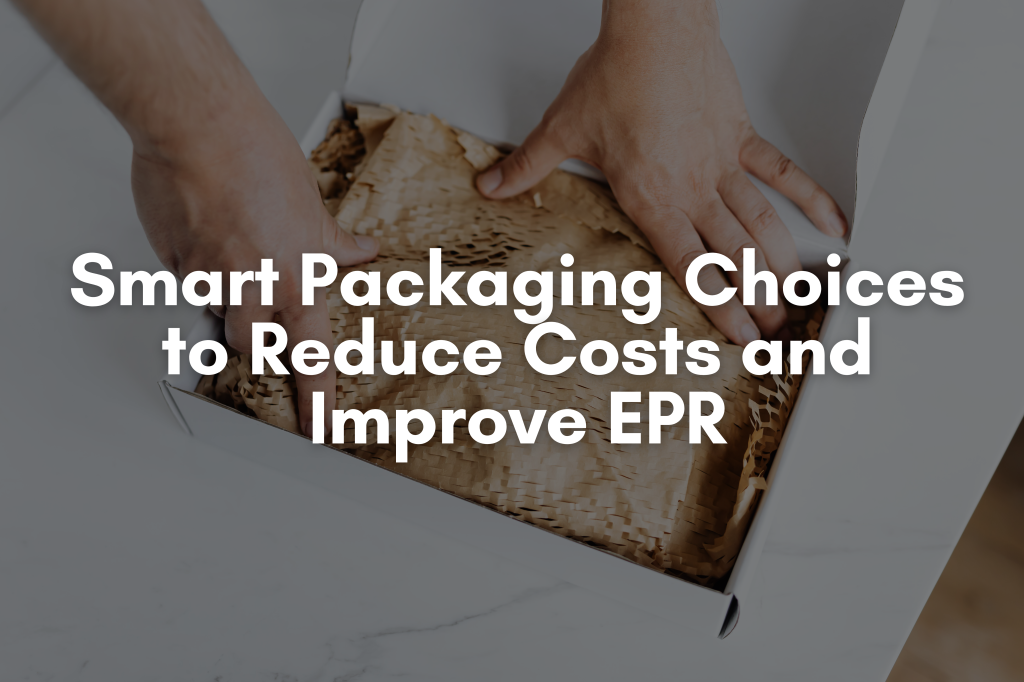
Moving towards recyclable packaging is one of the most effective changes you can make. Paper-based solutions, such as kraft paper void fill or paper mailing bags, are widely accepted in UK recycling streams.
2. Reduce packaging weight
Lightweight materials reduce both material costs and transport expenses. Even small reductions in weight can have a significant impact when scaled across thousands of shipments.
3. Optimise pack sizes
Using packaging that fits your product properly reduces void fill and improves shipping efficiency. This is often referred to as right-sizing packaging, and it is one of the quickest ways to cut waste.
4. Review your void fill
Traditional plastic void fill can often be replaced with paper alternatives. These are easier to recycle and can improve your EPR position.
5. Standardise your packaging range
Reducing the number of packaging formats you use simplifies ordering, storage, and packing processes. This can also unlock better pricing through bulk purchasing.
Why businesses overlook smart packaging
Despite the benefits, packaging is often treated as a fixed cost rather than an opportunity for improvement. This is usually because:
Packaging decisions are spread across multiple teams
Costs are not reviewed regularly
The focus is on product protection rather than efficiency
In reality, packaging sits at the centre of your supply chain. It affects cost, sustainability, and customer experience.
The role of a packaging review
A structured packaging review helps identify where improvements can be made. This involves analysing your current materials, pack formats, and processes to uncover inefficiencies.
Many businesses are surprised by what they find. Common issues include over-packaging, unnecessary material use, and missed opportunities to switch to more cost-effective alternatives.
A review also highlights areas where EPR costs can be reduced, making it a valuable exercise for both finance and sustainability teams.
Looking ahead: packaging in a regulated market
The UK packaging landscape is changing quickly. Alongside EPR, initiatives such as the plastic packaging tax, are pushing businesses towards more consistent, recyclable materials.
This means that optimised packaging is no longer optional. It is becoming a requirement for staying competitive and compliant.
Businesses that act now will be better positioned to manage costs and avoid disruption as regulations continue to evolve.
Smart packaging choices are not about compromise. They are about making informed decisions that benefit both your business and the environment. By reducing material use, improving recyclability, and optimising pack design, businesses can lower costs while strengthening their EPR position. In a market where margins and regulations are tightening, packaging is one of the simplest areas to take control and drive meaningful change.
Frequently Asked Questions
What is EPR in packaging?
EPR stands for Extended Producer Responsibility.
How can packaging reduce business costs?
By lowering material usage, improving transport efficiency, and reducing labour time during packing.
What is right-sized packaging?
Packaging that fits the product closely, reducing empty space and the need for void fill.
Are recyclable materials always better for EPR?
Generally, yes. Materials that are widely recycled tend to attract lower fees. It’s always best to double-check this with the government’s RAM guidelines, though!
Are recyclable materials always better for EPR?
At least once a year, or whenever costs or regulations change.
If you are interested in Packaging, Springpack are experts in the field. Our team of Packaging Experts have all of the answers to your packaging questions. Why not get in touch with us today?