 Request Your Machine Service & Repair Online


If you would like to learn more about Springpack and our services, use the form below to submit an enquiry, or get in touch with one of our packaging experts by…
Simpler Recycling - Explained
Simpler Recycling Explained: What UK Businesses Need to Know
Learn what Simpler Recycling means for UK businesses, when the new requirements take effect and how to prepare your workplace recycling systems for compliance.
The UK’s Simpler Recycling reforms are set to change how businesses manage waste and recycling. Designed to create a more consistent recycling system across England, the legislation aims to increase recycling rates, reduce confusion and improve the quality of recyclable materials collected from workplaces.
For many businesses, the changes will require a review of existing waste management practices and may create new opportunities to improve sustainability performance. Understanding the requirements now can help organisations prepare ahead of compliance deadlines and avoid unnecessary disruption.
What Is Simpler Recycling?
Simpler Recycling is a government initiative that aims to standardise recycling collections across England by requiring businesses and households to separate key recyclable waste streams.
The reforms are intended to make recycling easier, improve material quality and support the UK’s wider environmental objectives. The legislation forms part of the Government’s Resources and Waste Strategy and is expected to create greater consistency in how recyclable materials are collected and processed.
According to the Department for Environment, Food and Rural Affairs (Defra), the reforms will ensure that the same core recyclable materials can be collected across England, reducing confusion and improving recycling outcomes.
What Materials Must Be Recycled?
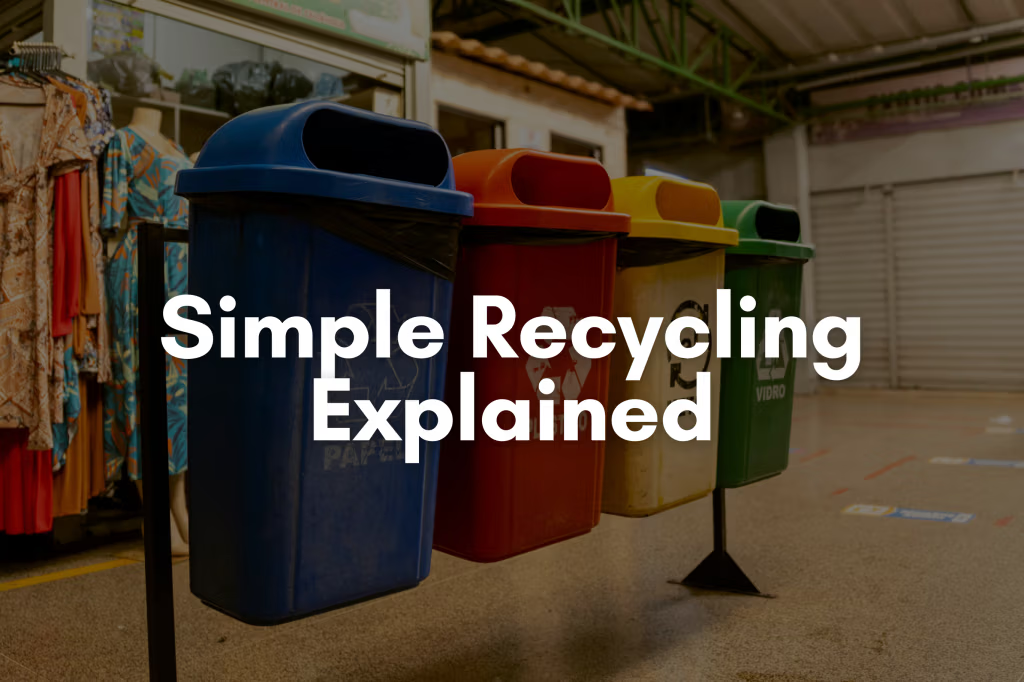
Under the Simpler Recycling reforms, workplaces will be required to separate specific recyclable waste streams from general waste.
These materials include:
Paper and cardboard
Plastic packaging
Metal packaging
Glass
Food waste
The exact collection arrangements may vary depending on the waste contractor and local infrastructure, but the overall objective is to ensure these materials are diverted away from general waste wherever possible.
Defra states that greater consistency in material collection can help increase recycling rates while reducing contamination within recycling streams.
What Does Simpler Recycling Mean for Businesses?
For many organisations, the biggest impact will be the need to review existing waste segregation practices.
Businesses that currently dispose of recyclable materials within general waste streams may need to introduce additional bins, update waste collection contracts and improve employee awareness of recycling requirements.
Packaging plays an important role in this process. Businesses that use highly recyclable packaging materials may find it easier to support waste segregation efforts and improve recycling performance. Reviewing packaging choices alongside waste management systems can help create a more effective overall strategy.
The Environment Agency highlights that waste producers have a legal duty to manage waste responsibly and ensure it is handled appropriately throughout the waste chain.
Why Packaging Matters
The success of any recycling system depends on the quality of materials entering the recycling stream.
Choosing recyclable packaging, reducing unnecessary packaging components and clearly identifying materials can help businesses improve waste segregation and support recycling outcomes.
For example, using single material packaging where appropriate may make recycling easier than packaging that combines multiple difficult-to-separate materials. Similarly, reducing contamination from food residues or non-recyclable components can improve the likelihood that packaging will be successfully recycled.
How Can Businesses Prepare?
Although the specific requirements will vary depending on the organisation and its waste streams, preparation should begin with an assessment of current recycling practices.
Businesses should review the types of waste generated on-site, assess whether recyclable materials are being separated correctly and discuss upcoming requirements with their waste management provider. Staff training may also be necessary to ensure employees understand how materials should be segregated.
A packaging review can also help identify opportunities to reduce waste and improve recyclability. In many cases, small packaging changes can support wider recycling objectives while maintaining product protection and operational efficiency.
Benefits of Simpler Recycling
The reforms are intended to deliver benefits for both businesses and the wider environment.
More consistent recycling systems can help reduce confusion, improve material recovery and support the development of a stronger circular economy. Better-quality recyclable materials are also more likely to be reprocessed into new products, helping to reduce demand for virgin resources.
For businesses, effective waste segregation may improve sustainability reporting, support environmental objectives and demonstrate a commitment to responsible resource management.
The Simpler Recycling reforms represent a significant step towards creating a more consistent recycling system across England. While compliance will require some businesses to adapt their waste management practices, the changes also present an opportunity to improve recycling performance and review packaging choices.
By understanding the requirements early and assessing current processes, organisations can prepare for the transition while supporting broader sustainability goals.
Frequently Asked Questions
What is Simpler Recycling?
Simpler Recycling is a government initiative designed to standardise recycling collections across England by requiring key recyclable materials to be collected consistently.
When will Simpler Recycling apply to businesses?
The implementation timetable varies depending on the type and size of organisation. Businesses should review the latest government guidance to understand applicable deadlines.
What materials need to be separated for recycling?
Paper, cardboard, plastic packaging, metal packaging, glass and food waste are among the key materials covered by the reforms.
Does Simpler Recycling apply to all businesses?
Most workplaces that generate waste will be affected, although specific requirements may vary depending on the organisation and waste collection arrangements.
How can packaging help improve recycling rates?
Using recyclable packaging materials, reducing unnecessary packaging components and supporting clear waste segregation can help improve recycling outcomes.
If you are interested in Packaging, Springpack are experts in the field. Our team of Packaging Experts have all of the answers to your packaging questions. Why not get in touch with us today?